Buy euro-shopper.be ?
We are moving the project
euro-shopper.be .
Are you interested in purchasing the domain
euro-shopper.be ?
domain@kv-gmbh.de · 0541-91531010
Buy euro-shopper.be ?
How is the IUPAC name determined?
The IUPAC name of a compound is determined by following a set of rules established by the International Union of Pure and Applied Chemistry (IUPAC). These rules consider the structure and composition of the compound, and prioritize certain functional groups and substituents to determine the root name of the compound. The name is then modified with prefixes, suffixes, and numerical locants to indicate the specific arrangement and bonding of atoms within the compound. The goal of the IUPAC naming system is to provide a standardized and systematic way of naming chemical compounds to ensure clarity and consistency in communication within the scientific community. **
Do you know the IUPAC name?
Yes, IUPAC (International Union of Pure and Applied Chemistry) names are systematic names given to chemical compounds based on a set of rules established by the IUPAC. These names are used to uniquely identify and describe the structure of a compound, regardless of language or region. IUPAC names are important in the field of chemistry as they provide a standardized way to communicate about chemical compounds. **


Similar search terms for IUPAC
Top-Angebote
Products related to IUPAC:
-
TIMBERLAND Baskets en cuir, EURO GRID MID LACEDétails produit • Usage sportswear • Talon plat • Fermeture : A lacets Composition et Entretien • Dessus/Tige : 100% cuir • Doublure : 100% synthétique • Semelle intérieure : 100% synthétique • Semelle extérieure : 100% caoutchouc130,00 €*Shipping: 3,99 €Secure redirect to the provider
-
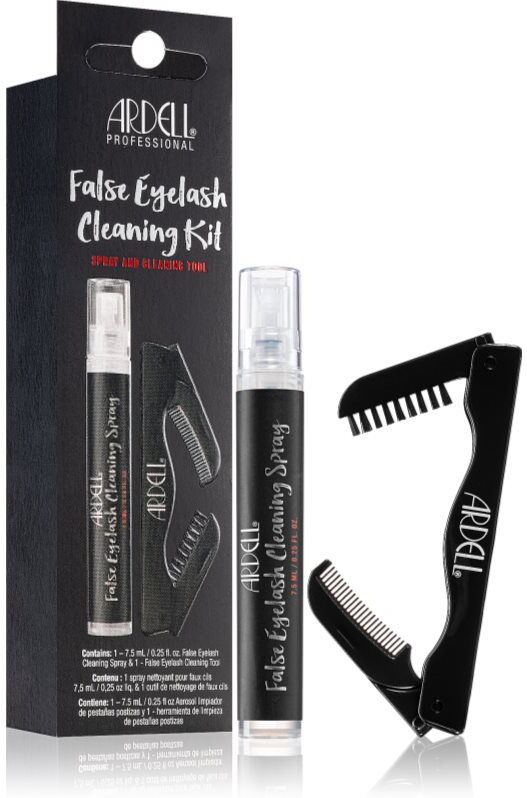
Ardell False Eyelash Cleaning Kit ensemble cilsArdell False Eyelash Cleaning Kit, 2 pcs, Coffrets beauté pour femme, L'ensemble contient: Nettoyant pour faux cils 7,5 ml Accessoire de nettoyage pour faux cils 1 pcs Le produit : coffret à un prix avantageux conception de qualité Mode d’emploi : Utilisez chaque produit contenu dans le coffret cosmétique en respectant les instructions fournies dans le mode d’emploi.11,50 €*Shipping: 3,45 €Secure redirect to the provider
-
BabyOno Straws Cleaning Brushes brosse 3 pcsBabyOno Straws Cleaning Brushes, 3 pcs, Lavage des biberons et des tétines pour enfant, Un nettoyage vraiment minutieux des biberons et des tétines est presque impossible sans accessoires spéciaux. Le produit BabyOno Straws Cleaning Brushes deviendra rapidement une aide précieuse au quotidien. Le produit : permet de nettoyer en profondeur même les endroits difficiles à atteindre dans le biberon, en toute sécurité1,62 €*Shipping: 3,45 €Secure redirect to the provider



-
What are the following IUPAC nomenclatures?
1. IUPAC nomenclature for organic compounds: This is a set of rules and guidelines used to name organic compounds systematically, based on the structure and composition of the molecule. It ensures that each compound has a unique and unambiguous name, making it easier to communicate and study. 2. IUPAC nomenclature for inorganic compounds: Similar to organic compounds, this system provides a systematic way to name inorganic compounds based on their composition and structure. It helps to distinguish between different compounds and allows for easier communication and study of inorganic chemistry. 3. IUPAC nomenclature for coordination compounds: This system is used to name coordination compounds, which consist of a central metal ion bonded to ligands. The naming is based on the type and number of ligands, as well as the oxidation state of the metal ion, ensuring a clear and consistent naming system for these complex compounds. **
-
What is the IUPAC name of perchlorate?
The IUPAC name of perchlorate is tetrachloratooxidane. **
-
Are there different versions of the IUPAC nomenclature?
Yes, there are different versions of the IUPAC nomenclature. The IUPAC regularly updates and revises its nomenclature rules to reflect new discoveries and developments in chemistry. These updates ensure that the nomenclature remains consistent and accurate across different areas of chemistry. Additionally, there may be specific nomenclature guidelines for different types of compounds, such as organic compounds, inorganic compounds, and polymers. **
-
What is the IUPAC name for this halogenalkane?
The IUPAC name for the given halogenalkane is 1-chloro-3-methylbutane. This name is derived from the longest carbon chain in the molecule, which contains four carbon atoms. The chlorine atom is located on the first carbon of the chain, and there is a methyl group attached to the third carbon. Therefore, the complete IUPAC name for this compound is 1-chloro-3-methylbutane. **

How are compounds named according to IUPAC rules?
Compounds are named according to IUPAC (International Union of Pure and Applied Chemistry) rules by identifying the longest carbon chain in the molecule and determining the functional groups present. The name begins with the prefix indicating the number of carbon atoms in the longest chain, followed by the root of the name indicating the type of carbon-carbon bond present. Then, the functional groups are named and assigned a position number based on their location on the carbon chain. Finally, any substituent groups are named and assigned a position number, and the names are all combined in a specific order to form the complete IUPAC name of the compound. **
What is the IUPAC name for citric acid?
The IUPAC name for citric acid is 2-hydroxypropane-1,2,3-tricarboxylic acid. This name reflects the chemical structure of citric acid, which contains three carboxylic acid groups and a hydroxyl group. The IUPAC name is used to systematically name organic compounds based on their chemical structure, providing a standardized way to identify and communicate about different molecules. **
Top-Angebote
Products related to IUPAC:
-
TIMBERLAND Boots en cuir EURO SPRINT MIDE LACECes bottines robustes, qui ne laissent pas de traces au sol, permettent aux enfants de jouer toute la journée, à l’intérieur comme à l’extérieur. Elles sont fabriquées en cuir premium Timberland® leather, avec une doublure en tissu ReBOTL™ ainsi qu’une assise plantaire et une semelle intermédiaire en EVA pour amortir les pas de votre enfant. Détails produit • Talon plat • Hauteur de talon : 2 cm • Fermeture : A lacets • Bout rond • Finition velours, nubuck Composition et Entretien • Dessus/Tige : 100% nubuck • Doublure : 100% autres matériaux • Semelle intérieure : 100% eva • Semelle extérieure : 100% caoutchouc85,50 €*Shipping: 3,99 €Secure redirect to the provider
-
TIMBERLAND Boots en cuir, Euro Sprint Mide LaceDétails produit • Talon plat • Fermeture : A lacets • Bout rond Composition et Entretien • Dessus/Tige : 100% cuir • Doublure : 100% synthétique • Semelle intérieure : 100% synthétique • Semelle extérieure : 100% caoutchouc160,00 €*Shipping: 3,99 €Secure redirect to the provider
-
TIMBERLAND Baskets en cuir, EURO GRID MID LACEDétails produit • Usage sportswear • Talon plat • Fermeture : A lacets Composition et Entretien • Dessus/Tige : 100% cuir • Doublure : 100% synthétique • Semelle intérieure : 100% synthétique • Semelle extérieure : 100% caoutchouc130,00 €*Shipping: 3,99 €Secure redirect to the provider
-
How is the IUPAC name determined?
The IUPAC name of a compound is determined by following a set of rules established by the International Union of Pure and Applied Chemistry (IUPAC). These rules consider the structure and composition of the compound, and prioritize certain functional groups and substituents to determine the root name of the compound. The name is then modified with prefixes, suffixes, and numerical locants to indicate the specific arrangement and bonding of atoms within the compound. The goal of the IUPAC naming system is to provide a standardized and systematic way of naming chemical compounds to ensure clarity and consistency in communication within the scientific community. **
-
Do you know the IUPAC name?
Yes, IUPAC (International Union of Pure and Applied Chemistry) names are systematic names given to chemical compounds based on a set of rules established by the IUPAC. These names are used to uniquely identify and describe the structure of a compound, regardless of language or region. IUPAC names are important in the field of chemistry as they provide a standardized way to communicate about chemical compounds. **
-
What are the following IUPAC nomenclatures?
1. IUPAC nomenclature for organic compounds: This is a set of rules and guidelines used to name organic compounds systematically, based on the structure and composition of the molecule. It ensures that each compound has a unique and unambiguous name, making it easier to communicate and study. 2. IUPAC nomenclature for inorganic compounds: Similar to organic compounds, this system provides a systematic way to name inorganic compounds based on their composition and structure. It helps to distinguish between different compounds and allows for easier communication and study of inorganic chemistry. 3. IUPAC nomenclature for coordination compounds: This system is used to name coordination compounds, which consist of a central metal ion bonded to ligands. The naming is based on the type and number of ligands, as well as the oxidation state of the metal ion, ensuring a clear and consistent naming system for these complex compounds. **
-
What is the IUPAC name of perchlorate?
The IUPAC name of perchlorate is tetrachloratooxidane. **
Similar search terms for IUPAC
-
Ardell False Eyelash Cleaning Kit ensemble cilsArdell False Eyelash Cleaning Kit, 2 pcs, Coffrets beauté pour femme, L'ensemble contient: Nettoyant pour faux cils 7,5 ml Accessoire de nettoyage pour faux cils 1 pcs Le produit : coffret à un prix avantageux conception de qualité Mode d’emploi : Utilisez chaque produit contenu dans le coffret cosmétique en respectant les instructions fournies dans le mode d’emploi.11,50 €*Shipping: 3,45 €Secure redirect to the provider
-
BabyOno Straws Cleaning Brushes brosse 3 pcsBabyOno Straws Cleaning Brushes, 3 pcs, Lavage des biberons et des tétines pour enfant, Un nettoyage vraiment minutieux des biberons et des tétines est presque impossible sans accessoires spéciaux. Le produit BabyOno Straws Cleaning Brushes deviendra rapidement une aide précieuse au quotidien. Le produit : permet de nettoyer en profondeur même les endroits difficiles à atteindre dans le biberon, en toute sécurité1,62 €*Shipping: 3,45 €Secure redirect to the provider
-
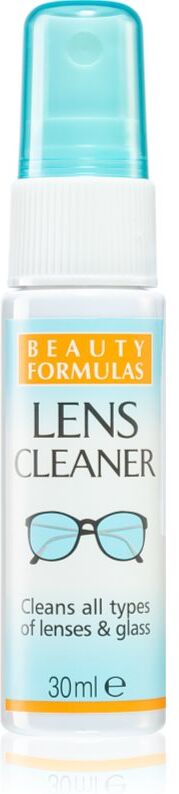
Beauty Formulas Lens Cleaning Spray nettoyant 30 mlBeauty Formulas Lens Cleaning, 30 ml, Accessoires mixte, Protégez votre peau du vieillissement prématuré et des autres dégradations causées par le soleil. La peau délicate du visage est beaucoup plus sensible que celle du reste du corps. En outre, elle est exposée aux rayons du soleil toute l'année. C'est pourquoi il est important de ne pas sous-estimer sa protection. Le produit de bronzage Beauty Formulas Lens Cleaning protège efficacement la peau de votre visage contre les rayons UV et vous aide ainsi à prévenir les coups de soleil ou l'apparition de taches pigmentaires et à diminuer l'élasticité de la peau, la perte de collagène et autres signes de l’âge. Mode d’emploi : Utilisez conformément aux instructions jointes.2,88 €*Shipping: 3,45 €Secure redirect to the provider
-
MAM Cleaning Brush brosse de nettoyage 1 pcsMAM Cleaning Brush, 1 pcs, Lavage des biberons et des tétines pour enfant, Un nettoyage vraiment minutieux des biberons et des tétines est presque impossible sans accessoires spéciaux. Le produit MAM Cleaning Brush deviendra rapidement une aide précieuse au quotidien. Le produit : brosse spécialement conçue pour nettoyer les biberons atteint tous les coins et courbes des biberons permet de nettoyer en profondeur même les endroits difficiles à atteindre dans le biberon, en toute sécurité Mode d’emploi : Après avoir nettoyé la tétine, assurez-vous toujours que vous ne l’ayez pas endommagée. N’oubliez pas de nettoyer les biberons et les tétines immédiatement après avoir nourri votre bébé.6,94 €*Shipping: 3,45 €Secure redirect to the provider
-
Are there different versions of the IUPAC nomenclature?
Yes, there are different versions of the IUPAC nomenclature. The IUPAC regularly updates and revises its nomenclature rules to reflect new discoveries and developments in chemistry. These updates ensure that the nomenclature remains consistent and accurate across different areas of chemistry. Additionally, there may be specific nomenclature guidelines for different types of compounds, such as organic compounds, inorganic compounds, and polymers. **
-
What is the IUPAC name for this halogenalkane?
The IUPAC name for the given halogenalkane is 1-chloro-3-methylbutane. This name is derived from the longest carbon chain in the molecule, which contains four carbon atoms. The chlorine atom is located on the first carbon of the chain, and there is a methyl group attached to the third carbon. Therefore, the complete IUPAC name for this compound is 1-chloro-3-methylbutane. **
-
How are compounds named according to IUPAC rules?
Compounds are named according to IUPAC (International Union of Pure and Applied Chemistry) rules by identifying the longest carbon chain in the molecule and determining the functional groups present. The name begins with the prefix indicating the number of carbon atoms in the longest chain, followed by the root of the name indicating the type of carbon-carbon bond present. Then, the functional groups are named and assigned a position number based on their location on the carbon chain. Finally, any substituent groups are named and assigned a position number, and the names are all combined in a specific order to form the complete IUPAC name of the compound. **
-
What is the IUPAC name for citric acid?
The IUPAC name for citric acid is 2-hydroxypropane-1,2,3-tricarboxylic acid. This name reflects the chemical structure of citric acid, which contains three carboxylic acid groups and a hydroxyl group. The IUPAC name is used to systematically name organic compounds based on their chemical structure, providing a standardized way to identify and communicate about different molecules. **
* All prices are inclusive of VAT and, if applicable, plus shipping costs. The offer information is based on the details provided by the respective shop and is updated through automated processes. Real-time updates do not occur, so deviations can occur in individual cases. ** Note: Parts of this content were created by AI.