Buy euro-shopper.be ?
We are moving the project
euro-shopper.be .
Are you interested in purchasing the domain
euro-shopper.be ?
domain@kv-gmbh.de · 0541-91531010
Buy euro-shopper.be ?
How do you transform an object clause or a subject clause into a dependent clause (subordinate clause)?
To transform an object clause or a subject clause into a dependent clause, you can add a subordinating conjunction at the beginning of the clause. For example, changing "I know that he is coming" (object clause) to "I know when he is coming" (dependent clause). Another way is to remove the subject or object pronoun and change the verb form to make it dependent on the main clause. For instance, changing "She believes she can win" (subject clause) to "She believes she can win" (dependent clause). **
Is an infinitive clause a subordinate clause?
Yes, an infinitive clause is a type of subordinate clause. It functions as a single unit within a sentence and is dependent on the main clause for its meaning. Infinitive clauses typically begin with the word "to" followed by a verb, and they can serve various purposes such as expressing purpose, result, or obligation. **


Similar search terms for Clause
Top-Angebote
Products related to Clause:
-
TIMBERLAND Baskets en cuir, EURO GRID MID LACEDétails produit • Usage sportswear • Talon plat • Fermeture : A lacets Composition et Entretien • Dessus/Tige : 100% cuir • Doublure : 100% synthétique • Semelle intérieure : 100% synthétique • Semelle extérieure : 100% caoutchouc130,00 €*Shipping: 3,99 €Secure redirect to the provider
-
BabyOno Straws Cleaning Brushes brosse 3 pcsBabyOno Straws Cleaning Brushes, 3 pcs, Lavage des biberons et des tétines pour enfant, Un nettoyage vraiment minutieux des biberons et des tétines est presque impossible sans accessoires spéciaux. Le produit BabyOno Straws Cleaning Brushes deviendra rapidement une aide précieuse au quotidien. Le produit : permet de nettoyer en profondeur même les endroits difficiles à atteindre dans le biberon, en toute sécurité1,62 €*Shipping: 3,45 €Secure redirect to the provider
-
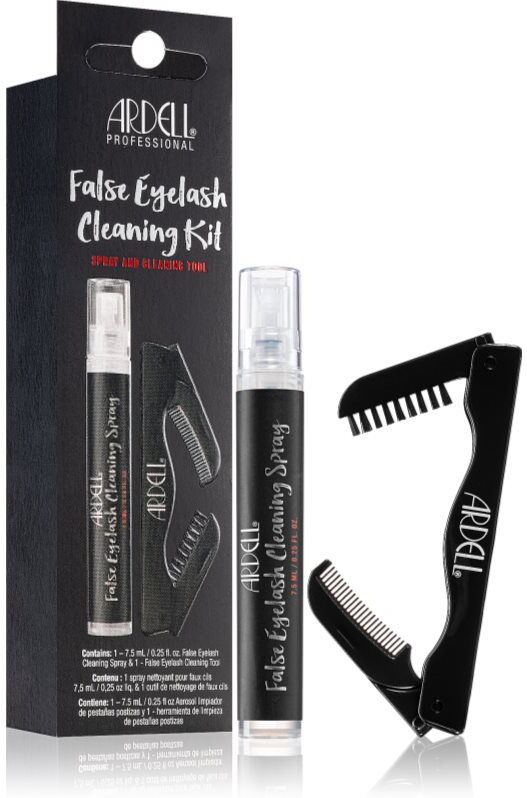
Ardell False Eyelash Cleaning Kit ensemble cilsArdell False Eyelash Cleaning Kit, 2 pcs, Coffrets beauté pour femme, L'ensemble contient: Nettoyant pour faux cils 7,5 ml Accessoire de nettoyage pour faux cils 1 pcs Le produit : coffret à un prix avantageux conception de qualité Mode d’emploi : Utilisez chaque produit contenu dans le coffret cosmétique en respectant les instructions fournies dans le mode d’emploi.11,50 €*Shipping: 3,45 €Secure redirect to the provider



-
What are main clause-subordinate clause constructions?
Main clause-subordinate clause constructions are sentences that consist of a main clause and one or more subordinate clauses. The main clause is a complete sentence that can stand alone, while the subordinate clause depends on the main clause for its meaning and cannot stand alone. Subordinate clauses often begin with subordinating conjunctions such as "because," "although," "if," or "when," and they provide additional information or context to the main clause. These constructions allow for more complex and nuanced sentence structures, and they are commonly used in both spoken and written language. **
-
Can an adverbial clause also be a subject clause or an object clause?
No, an adverbial clause cannot be a subject clause or an object clause. An adverbial clause functions as an adverb to modify a verb, adjective, or adverb in a sentence. Subject clauses and object clauses, on the other hand, serve as the subject or object of the main clause, respectively. Each type of clause has a specific grammatical function within a sentence. **
-
Is the main clause and subordinate clause correct?
To determine if the main clause and subordinate clause are correct, you need to ensure that they are grammatically sound and that they make sense when combined. The main clause should be able to stand alone as a complete sentence, while the subordinate clause provides additional information but cannot stand alone. Checking for subject-verb agreement and proper punctuation between the two clauses can help confirm their correctness. **
-
How do I recognize a relative clause, a conjunctional clause, and an interrogative clause?
A relative clause typically starts with a relative pronoun (such as who, whom, whose, which, or that) and provides more information about a noun in the main clause. A conjunctional clause, on the other hand, is introduced by a conjunction (such as and, but, or because) and connects two independent clauses. An interrogative clause is a type of clause that asks a question and is typically introduced by an interrogative pronoun (such as who, what, when, where, why, or how) or an interrogative adverb (such as how, when, or where). **


How can I recognize a relative clause, a conjunctional clause, and an interrogative clause?
A relative clause is a type of dependent clause that typically starts with a relative pronoun (such as who, whom, whose, which, or that) and provides additional information about a noun in the main clause. A conjunctional clause, on the other hand, is a dependent clause that functions as an adverb, adjective, or noun in a sentence and is connected to the main clause by a conjunction (such as because, although, if, when, etc.). An interrogative clause is a type of clause that asks a question and typically begins with a question word (such as who, what, where, when, why, or how) or with a helping verb followed by the subject. **
Is the accompanying clause in direct speech a main clause or a subordinate clause?
The accompanying clause in direct speech can be either a main clause or a subordinate clause, depending on its role in the sentence. If the clause is expressing a complete thought and can stand alone as a sentence, then it is a main clause. However, if the clause is dependent on the rest of the sentence for its meaning and cannot stand alone, then it is a subordinate clause. It's important to consider the context and structure of the sentence to determine the role of the accompanying clause in direct speech. **
Top-Angebote
Products related to Clause:
-
TIMBERLAND Boots en cuir, Euro Sprint Mide LaceDétails produit • Talon plat • Fermeture : A lacets • Bout rond Composition et Entretien • Dessus/Tige : 100% cuir • Doublure : 100% synthétique • Semelle intérieure : 100% synthétique • Semelle extérieure : 100% caoutchouc160,00 €*Shipping: 3,99 €Secure redirect to the provider
-
TIMBERLAND Boots en cuir EURO SPRINT MIDE LACECes bottines robustes, qui ne laissent pas de traces au sol, permettent aux enfants de jouer toute la journée, à l’intérieur comme à l’extérieur. Elles sont fabriquées en cuir premium Timberland® leather, avec une doublure en tissu ReBOTL™ ainsi qu’une assise plantaire et une semelle intermédiaire en EVA pour amortir les pas de votre enfant. Détails produit • Talon plat • Hauteur de talon : 2 cm • Fermeture : A lacets • Bout rond • Finition velours, nubuck Composition et Entretien • Dessus/Tige : 100% nubuck • Doublure : 100% autres matériaux • Semelle intérieure : 100% eva • Semelle extérieure : 100% caoutchouc85,50 €*Shipping: 3,99 €Secure redirect to the provider
-
TIMBERLAND Baskets en cuir, EURO GRID MID LACEDétails produit • Usage sportswear • Talon plat • Fermeture : A lacets Composition et Entretien • Dessus/Tige : 100% cuir • Doublure : 100% synthétique • Semelle intérieure : 100% synthétique • Semelle extérieure : 100% caoutchouc130,00 €*Shipping: 3,99 €Secure redirect to the provider
-
How do you transform an object clause or a subject clause into a dependent clause (subordinate clause)?
To transform an object clause or a subject clause into a dependent clause, you can add a subordinating conjunction at the beginning of the clause. For example, changing "I know that he is coming" (object clause) to "I know when he is coming" (dependent clause). Another way is to remove the subject or object pronoun and change the verb form to make it dependent on the main clause. For instance, changing "She believes she can win" (subject clause) to "She believes she can win" (dependent clause). **
-
Is an infinitive clause a subordinate clause?
Yes, an infinitive clause is a type of subordinate clause. It functions as a single unit within a sentence and is dependent on the main clause for its meaning. Infinitive clauses typically begin with the word "to" followed by a verb, and they can serve various purposes such as expressing purpose, result, or obligation. **
-
What are main clause-subordinate clause constructions?
Main clause-subordinate clause constructions are sentences that consist of a main clause and one or more subordinate clauses. The main clause is a complete sentence that can stand alone, while the subordinate clause depends on the main clause for its meaning and cannot stand alone. Subordinate clauses often begin with subordinating conjunctions such as "because," "although," "if," or "when," and they provide additional information or context to the main clause. These constructions allow for more complex and nuanced sentence structures, and they are commonly used in both spoken and written language. **
-
Can an adverbial clause also be a subject clause or an object clause?
No, an adverbial clause cannot be a subject clause or an object clause. An adverbial clause functions as an adverb to modify a verb, adjective, or adverb in a sentence. Subject clauses and object clauses, on the other hand, serve as the subject or object of the main clause, respectively. Each type of clause has a specific grammatical function within a sentence. **
Similar search terms for Clause
-
BabyOno Straws Cleaning Brushes brosse 3 pcsBabyOno Straws Cleaning Brushes, 3 pcs, Lavage des biberons et des tétines pour enfant, Un nettoyage vraiment minutieux des biberons et des tétines est presque impossible sans accessoires spéciaux. Le produit BabyOno Straws Cleaning Brushes deviendra rapidement une aide précieuse au quotidien. Le produit : permet de nettoyer en profondeur même les endroits difficiles à atteindre dans le biberon, en toute sécurité1,62 €*Shipping: 3,45 €Secure redirect to the provider
-
Ardell False Eyelash Cleaning Kit ensemble cilsArdell False Eyelash Cleaning Kit, 2 pcs, Coffrets beauté pour femme, L'ensemble contient: Nettoyant pour faux cils 7,5 ml Accessoire de nettoyage pour faux cils 1 pcs Le produit : coffret à un prix avantageux conception de qualité Mode d’emploi : Utilisez chaque produit contenu dans le coffret cosmétique en respectant les instructions fournies dans le mode d’emploi.11,50 €*Shipping: 3,45 €Secure redirect to the provider
-
Elmex Intensive Cleaning TRIO ensemble pour les dentsElmex Intensive Cleaning TRIO, 3x75 ml, Pour une protection complète pour femme, Découvrez un coffret pratique de produits qui embelliront votre quotidien. Le coffret Elmex Intensive Cleaning TRIO facilite votre choix, en proposant une sélection de vos articles préférés, désormais réunis dans un seul et même emballage. L'ensemble contient: Elmex Caries Plus Intensive Cleaning dentifrice blanchissant soin complet 3x50 ml Le produit : nettoie parfaitement les dents lutte contre la carie dentaire et le tartre dentaire blanchit les dents n’abîme pas les dents garantit le respect de l’émail dentaire Mode d’emploi : Utilisez au moins 2 fois par jour. Nettoyez vos dents minutieusement pendant au moins 2 minutes.18,00 €*Shipping: 3,45 €Secure redirect to the provider
-
Beauty Formulas Lens Cleaning Spray nettoyant 30 mlBeauty Formulas Lens Cleaning, 30 ml, Accessoires mixte, Protégez votre peau du vieillissement prématuré et des autres dégradations causées par le soleil. La peau délicate du visage est beaucoup plus sensible que celle du reste du corps. En outre, elle est exposée aux rayons du soleil toute l'année. C'est pourquoi il est important de ne pas sous-estimer sa protection. Le produit de bronzage Beauty Formulas Lens Cleaning protège efficacement la peau de votre visage contre les rayons UV et vous aide ainsi à prévenir les coups de soleil ou l'apparition de taches pigmentaires et à diminuer l'élasticité de la peau, la perte de collagène et autres signes de l’âge. Mode d’emploi : Utilisez conformément aux instructions jointes.2,88 €*Shipping: 3,45 €Secure redirect to the provider
-
Is the main clause and subordinate clause correct?
To determine if the main clause and subordinate clause are correct, you need to ensure that they are grammatically sound and that they make sense when combined. The main clause should be able to stand alone as a complete sentence, while the subordinate clause provides additional information but cannot stand alone. Checking for subject-verb agreement and proper punctuation between the two clauses can help confirm their correctness. **
-
How do I recognize a relative clause, a conjunctional clause, and an interrogative clause?
A relative clause typically starts with a relative pronoun (such as who, whom, whose, which, or that) and provides more information about a noun in the main clause. A conjunctional clause, on the other hand, is introduced by a conjunction (such as and, but, or because) and connects two independent clauses. An interrogative clause is a type of clause that asks a question and is typically introduced by an interrogative pronoun (such as who, what, when, where, why, or how) or an interrogative adverb (such as how, when, or where). **
-
How can I recognize a relative clause, a conjunctional clause, and an interrogative clause?
A relative clause is a type of dependent clause that typically starts with a relative pronoun (such as who, whom, whose, which, or that) and provides additional information about a noun in the main clause. A conjunctional clause, on the other hand, is a dependent clause that functions as an adverb, adjective, or noun in a sentence and is connected to the main clause by a conjunction (such as because, although, if, when, etc.). An interrogative clause is a type of clause that asks a question and typically begins with a question word (such as who, what, where, when, why, or how) or with a helping verb followed by the subject. **
-
Is the accompanying clause in direct speech a main clause or a subordinate clause?
The accompanying clause in direct speech can be either a main clause or a subordinate clause, depending on its role in the sentence. If the clause is expressing a complete thought and can stand alone as a sentence, then it is a main clause. However, if the clause is dependent on the rest of the sentence for its meaning and cannot stand alone, then it is a subordinate clause. It's important to consider the context and structure of the sentence to determine the role of the accompanying clause in direct speech. **
* All prices are inclusive of VAT and, if applicable, plus shipping costs. The offer information is based on the details provided by the respective shop and is updated through automated processes. Real-time updates do not occur, so deviations can occur in individual cases. ** Note: Parts of this content were created by AI.